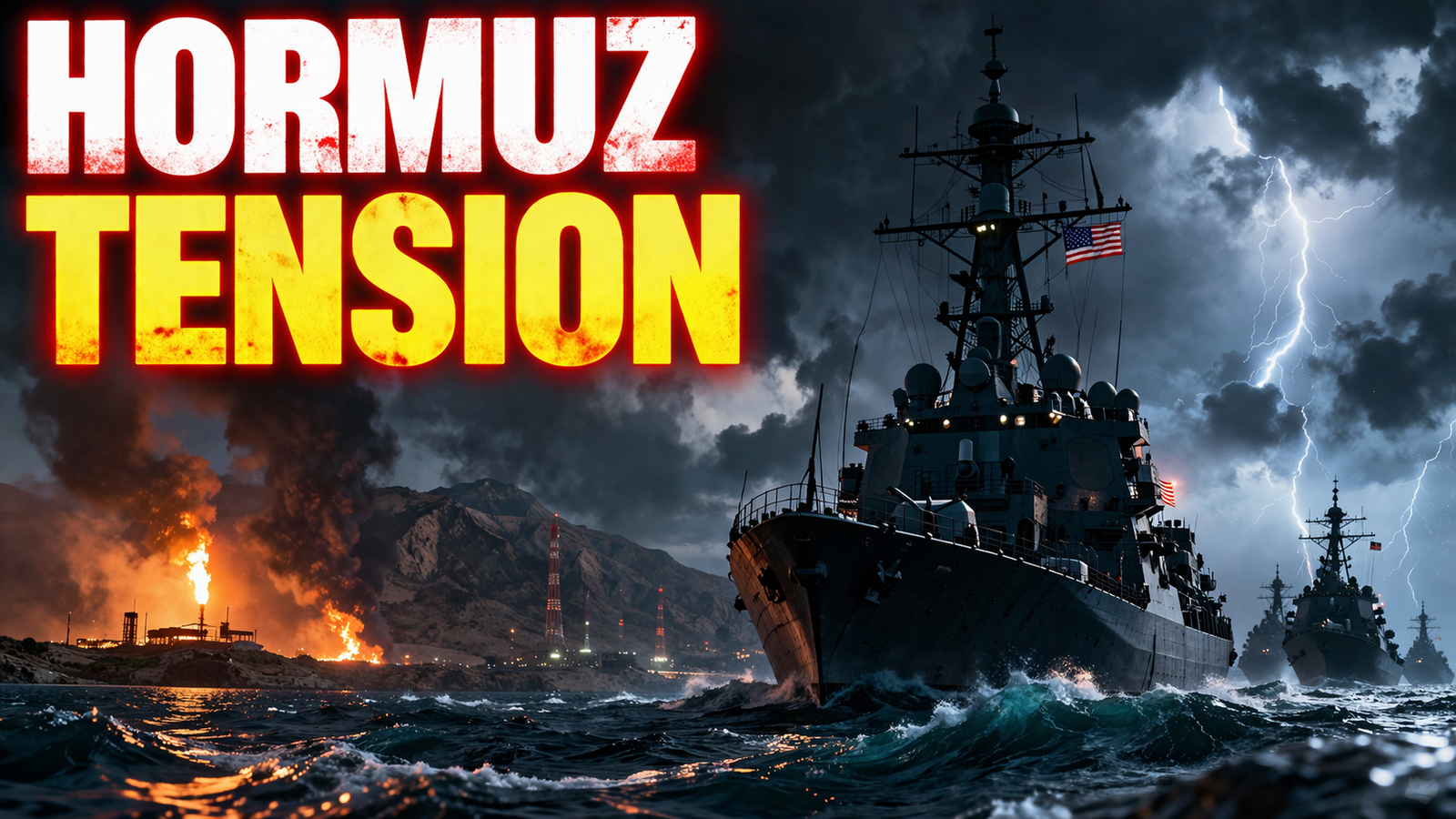
Tensions in the Middle East intensified further on Monday as U.S. President Donald Trump delivered strong warnings to Iran during a White House news conference, reiterating that the country could face devastating consequences if a deal is not reached by Tuesday evening. The remarks came amid ongoing military operations involving U.S. and Israeli forces targeting Iranian assets, with the strategic Strait of Hormuz remaining a central point of contention.
According to preliminary reports from multiple international outlets, Trump emphasized that failure to reopen the Strait of Hormuz and accept key ceasefire terms could result in widespread strikes on Iranian infrastructure, including power plants and bridges. He described the potential action as capable of impacting the entire country, stating that the U.S. military possesses the capability to execute such operations rapidly if necessary. Iranian officials have rejected aspects of the proposed U.S. framework, describing the demands as unacceptable and insisting on terms that safeguard national sovereignty.
The latest developments follow a high-stakes rescue operation over the Easter weekend, during which U.S. forces successfully extracted a wounded airman who had been stranded in Iranian territory after his fighter jet was downed by a shoulder-fired missile. Defense Secretary Pete Hegseth reportedly drew parallels between the daring mission and significant historical or symbolic events, while Trump highlighted the operation’s complexity and risks. Early accounts indicate the airman evaded capture for an extended period before being located and retrieved in a coordinated effort involving multiple assets.
Analysts monitoring the situation note that the Strait of Hormuz serves as a critical global energy chokepoint, through which a substantial portion of the world’s oil supply passes. Disruptions or threats to the waterway have already contributed to volatility in energy markets, with oil prices showing gains based on concerns over potential escalation. Preliminary data suggests rising anxiety among energy traders, though no confirmed long-term supply shortages have materialized yet.
Trump’s comments also touched on frustrations with limited support from certain Pacific allies and included sharp exchanges with reporters during the briefing. The administration has projected strength through these operations while facing questions about the broader strategy, duration, and humanitarian implications of the conflict. Iranian responses have included public displays of resolve, such as civilian mobilization around sensitive facilities, alongside continued diplomatic signaling that channels remain open under specific conditions.
In related military actions, reports indicate Israeli strikes targeted a major petrochemical plant in Iran’s South Pars gas field, one of the world’s largest. These operations coincide with the approaching deadline and add layers to the complex regional dynamics. International observers, including European and Asian governments, have called for de-escalation and restraint to prevent wider spillover effects on global trade and security.
The Pentagon is expected to provide further briefings in the coming hours, with Defense Secretary Hegseth and senior military officials scheduled to address developments. Based on early indications, preparations for potential additional strikes are underway, though the administration maintains that a diplomatic resolution remains preferable if Iran complies with core demands.
This phase of heightened rhetoric and military posturing occurs against a backdrop of broader geopolitical strains. Energy analysts project continued market sensitivity in the short term, with potential ripple effects on global economies if the situation deteriorates. Humanitarian considerations, including impacts on civilian populations and medical supply chains in affected areas, are also drawing attention from aid organizations, though full assessments remain preliminary.
Meanwhile, contrasting narratives of human achievement emerged from space as NASA’s Artemis II mission progressed. The crew completed a historic flyby of the Moon’s far side, capturing unique observations and setting new records for distance traveled from Earth. The astronauts are now en route back, offering a moment of scientific focus amid terrestrial conflicts.
As Tuesday’s deadline approaches, diplomatic efforts are believed to be continuing behind the scenes, even as public statements from both sides reflect firm positions. The coming hours could prove decisive in determining whether the current trajectory leads to further military escalation or opens pathways for negotiation. Global markets and governments remain on high alert for any announcements that could shift the balance.
Experts in international affairs underscore the high stakes involved, warning that miscalculations could lead to prolonged instability with consequences extending beyond the region. The situation continues to develop rapidly, with updates anticipated throughout the day and into the critical period ahead.