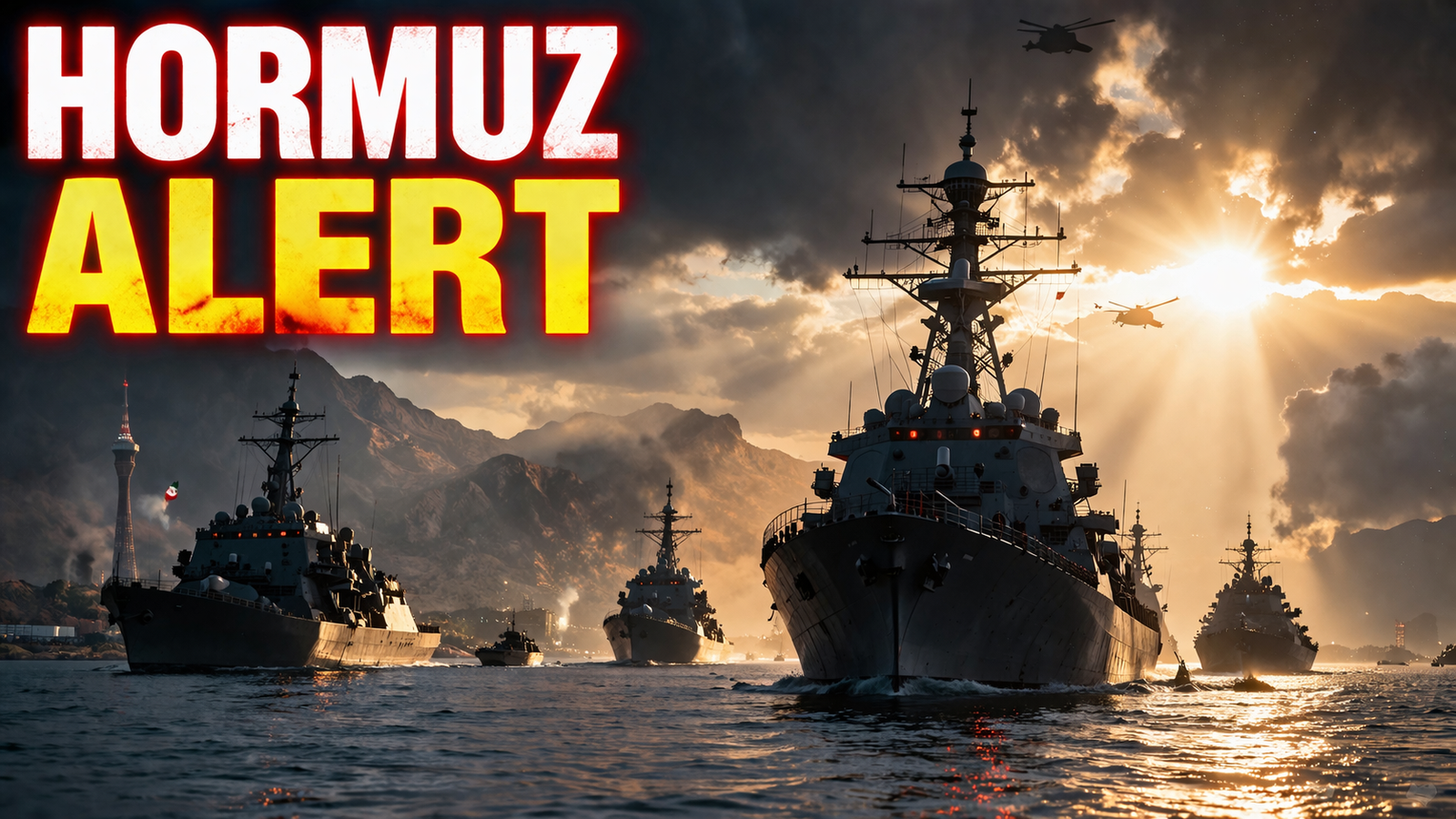
Washington faced mounting pressure on Tuesday as President Donald Trump reiterated stern warnings to Iran, stating that the entire country could face devastating consequences if no agreement is reached by the evening deadline. The comments, delivered during ongoing briefings, centered on demands for Iran to reopen the Strait of Hormuz and accept core ceasefire conditions to avert further military escalation.
According to preliminary reports from defense officials and international media, Trump emphasized that failure to comply could trigger widespread strikes targeting Iranian bridges, power plants, and other infrastructure. He described the potential operation as capable of significantly impacting the nation, while maintaining that a diplomatic resolution remains possible if Tehran meets the specified terms. Iranian authorities have pushed back against the proposals, with officials in Tehran characterizing the demands as unacceptable and signaling continued defiance amid the heightened tensions.
The latest developments build upon recent military actions, including the downing of a U.S. fighter jet by a shoulder-fired missile inside Iranian territory. Details emerged of a high-risk rescue mission conducted over the Easter period, during which U.S. forces extracted the wounded airman after he reportedly hid for nearly 48 hours in a cave. Defense Secretary Pete Hegseth likened the successful operation to a significant symbolic event, while Trump highlighted its daring execution and the challenges involved in evading Iranian forces. Former CENTCOM commanders described the mission as delivering a “hard lesson” to adversaries.
Analysts monitoring the conflict note that the Strait of Hormuz remains a pivotal element in negotiations, serving as a vital artery for global oil transportation. Disruptions have already influenced energy markets, with preliminary data suggesting upward pressure on oil and related commodity prices, though full supply chain impacts continue to be assessed. Trump has insisted that reopening the waterway is essential for any lasting agreement, warning of severe repercussions otherwise.
Iranian responses have included public calls for youth to form human chains around key power facilities as a demonstration of national resolve. Tehran has indicated that diplomatic avenues are not entirely closed but has rejected temporary ceasefire frameworks that do not address broader security and sovereignty concerns. Reports of additional strikes, including on facilities in the South Pars gas field, have added complexity to the situation.
International observers from Europe, Asia, and beyond have urged restraint to prevent broader regional spillover. Energy analysts project continued volatility in global markets if the deadline passes without resolution, with potential effects on trade routes and economic stability extending far beyond the Middle East. Humanitarian considerations, including impacts on civilian populations and infrastructure, are drawing attention from aid groups, though comprehensive assessments remain preliminary.
In Washington, the administration has projected determination through these operations while addressing questions about alliance support and the conflict’s broader costs. Trump reportedly expressed frustration with limited contributions from certain Pacific partners during the briefing. The Pentagon is expected to provide further updates as the critical period unfolds.
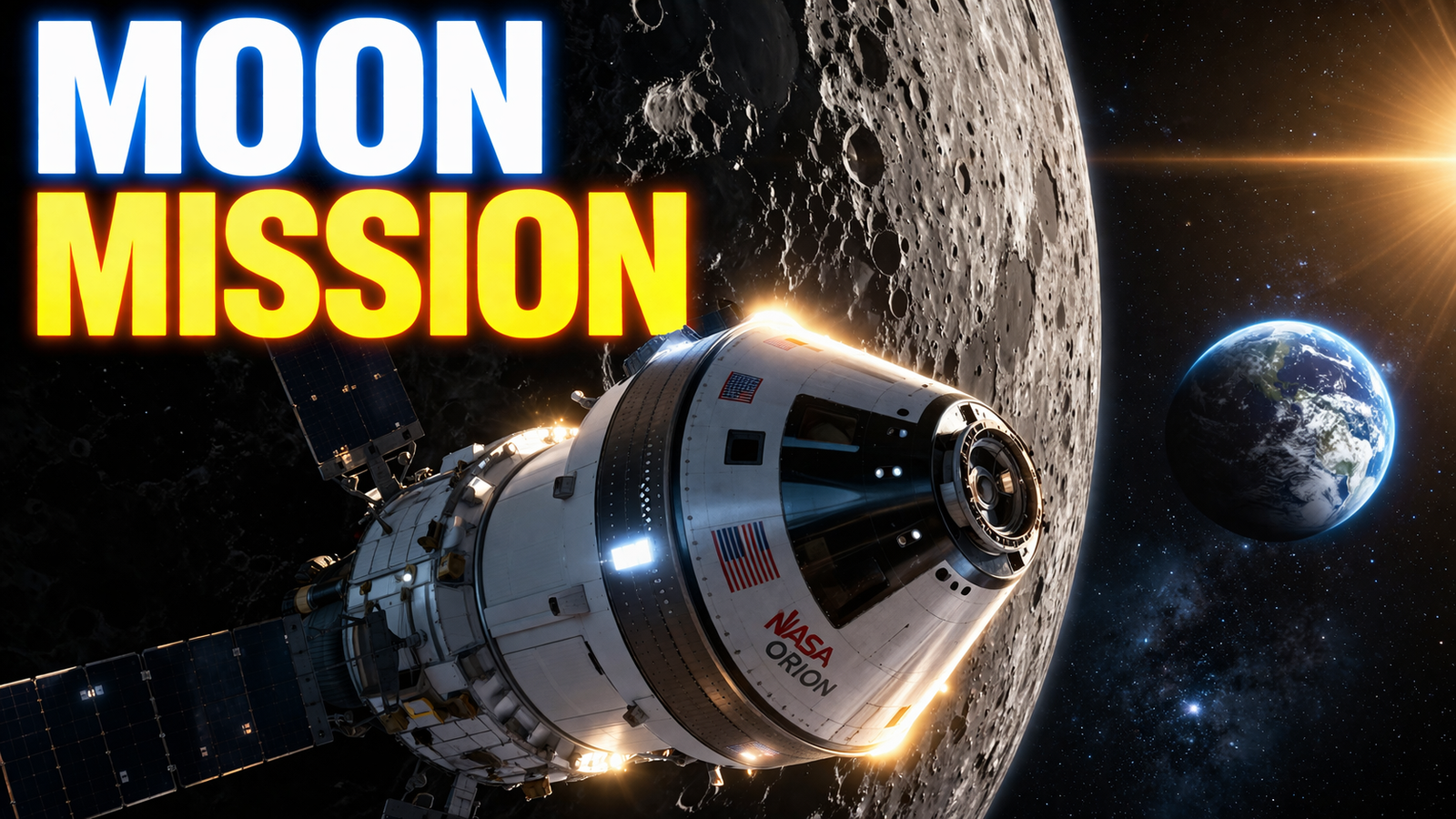
Amid the geopolitical strains, a contrasting story of human achievement unfolded in space. NASA’s Artemis II mission crew completed a historic flyby of the Moon’s far side, traveling farther from Earth than any previous human expedition. The astronauts, including commander Reid Wiseman, captured unprecedented views and conducted scientific observations before beginning their return journey. The mission has provided valuable data on deep-space travel and lunar geology, offering a moment of scientific inspiration on the global stage.
Experts in international relations highlight the high stakes of the current juncture, noting that the coming hours could influence whether the situation de-escalates through negotiation or intensifies through additional military measures. Global governments and markets remain vigilant for any announcements from Washington or Tehran that might alter the trajectory.
The administration has not detailed exact timelines for potential actions but has characterized the deadline as firm, dependent on Iranian compliance. Diplomatic channels are believed to be active behind the scenes, even as public statements reflect firm positions on both sides.
This phase of the conflict underscores the intricate balance between military pressure and strategic demands aimed at reshaping regional security dynamics. Risks of miscalculation persist, with implications for energy security, international alliances, and stability across multiple continents.
As events continue to develop rapidly, updates from official sources are anticipated throughout the day. The world watches closely as the Tuesday deadline looms, with potential consequences resonating well beyond the immediate theater of operations.