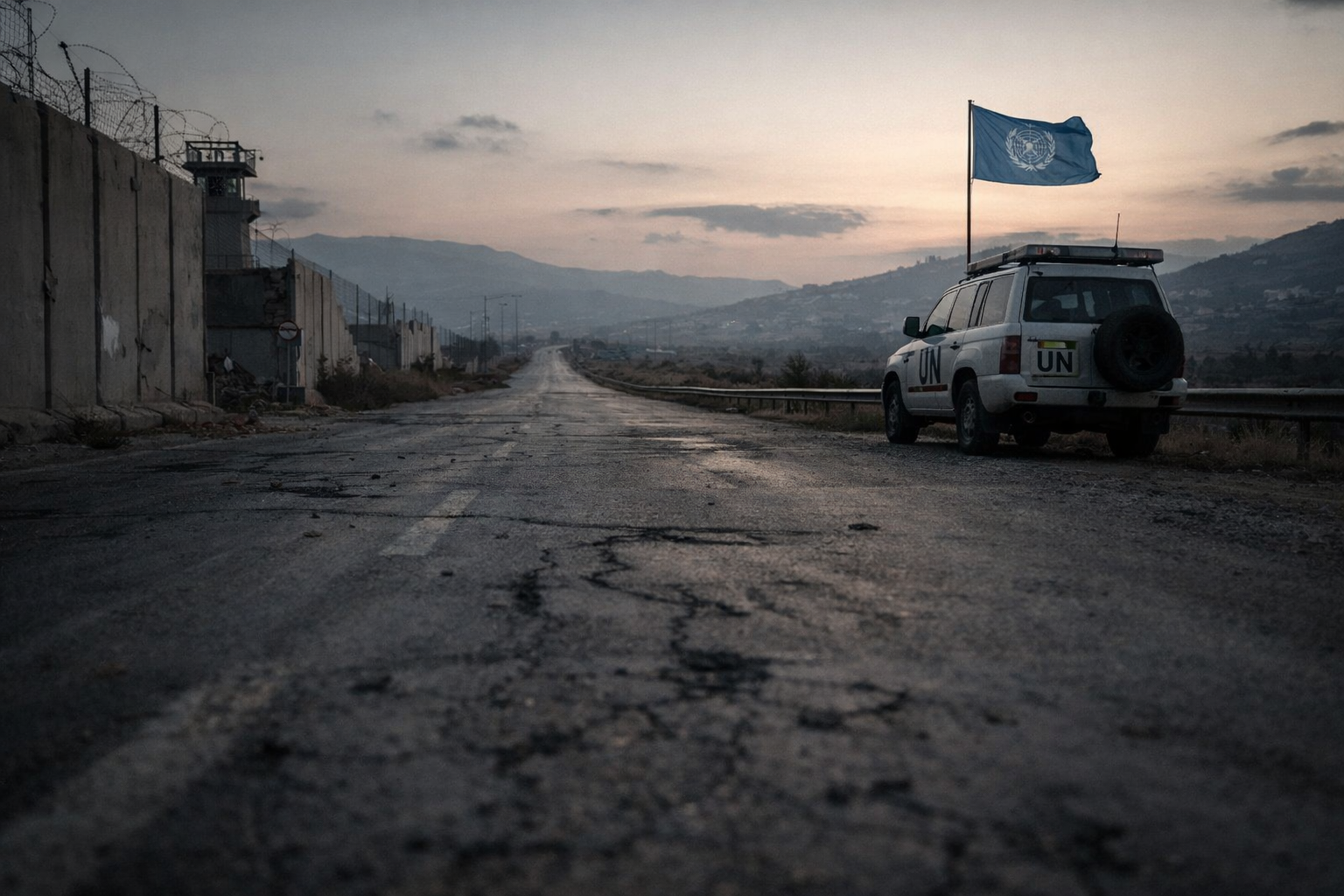
In a diplomatic breakthrough that has sent ripples of cautious optimism across the globe, Israel and the Lebanese militant group Hezbollah have officially entered into a comprehensive ceasefire agreement. The deal, brokered through intense mediation efforts by the United States and France, went into effect at 4:00 AM local time on Sunday, marking a potential turning point in one of the most volatile escalations in the Middle East in decades.
The agreement comes after weeks of devastating airstrikes and ground incursions that displaced hundreds of thousands of civilians on both sides of the Blue Line. According to early reports from senior diplomatic sources in Washington, the ceasefire framework is built upon the full implementation of United Nations Security Council Resolution 1701. This resolution, which ended the 2006 war, mandates that the area in southern Lebanon between the Litani River and the Israeli border remains free of any armed personnel, assets, and weapons other than those of the Lebanese government and UNIFIL peacekeepers.
In a televised address from Jerusalem, Israeli Prime Minister Benjamin Netanyahu stated that the military objectives in the north had been largely achieved, particularly the degradation of Hezbollah’s elite Radwan Force and the destruction of vast subterranean tunnel networks. However, the Prime Minister warned that the ceasefire is “conditioned on compliance,” and that the Israeli Defense Forces (IDF) maintain full freedom of action should Hezbollah violate the terms of the truce.
On the other side of the border, the Lebanese government in Beirut welcomed the cessation of hostilities. While Hezbollah has not issued a formal victory statement typical of previous conflicts, sources close to the group’s leadership suggested they would abide by the agreement as long as Israeli forces withdraw from Lebanese territory. The Lebanese Armed Forces are poised to begin a massive deployment into the south, intended to act as the primary security guarantor in the region.
The humanitarian situation remains the most pressing concern for international observers. Preliminary data suggests that over 1,000 square miles of residential areas in southern Lebanon and the Beqaa Valley have sustained significant structural damage. In northern Israel, the return of approximately 60,000 displaced residents remains a logistical and psychological challenge, as many fear the long-term sustainability of the peace.
U.S. President Donald Trump, speaking from the White House, hailed the agreement as a “major victory for peace and stability.” The administration’s involvement was characterized by a high-stakes, “pressure-cooker” diplomacy style, involving direct threats of expanded sanctions and military re-posturing. French President Emmanuel Macron echoed these sentiments, emphasizing that France would play a leading role in an international monitoring committee designed to oversee the implementation of the ceasefire and prevent any re-armament of non-state actors.
Regional powers, including Saudi Arabia and the UAE, have expressed support for the deal, viewing it as a necessary step to prevent a wider regional conflagration involving Iran. However, analysts at Al Jazeera and the BBC warn that the “who, what, when, where, why, and how” of the enforcement mechanism remain the deal’s weakest link. Without a robust and intrusive monitoring system, the risk of a return to the status quo ante remains high.
As the first hours of the ceasefire pass without major incident, the international community is shifting its focus toward reconstruction. UN Secretary-General António Guterres has called for an immediate surge in aid to both Lebanon and northern Israel, stressing that “peace is not merely the absence of war, but the presence of security and dignity for all people involved.” The world now watches to see if this fragile silence in the north will hold or if it is merely a pause before the next inevitable cycle of violence.