


Saudi Aramco Localization Surge Poised to Inject $280 Billion into Kingdom’s GDP
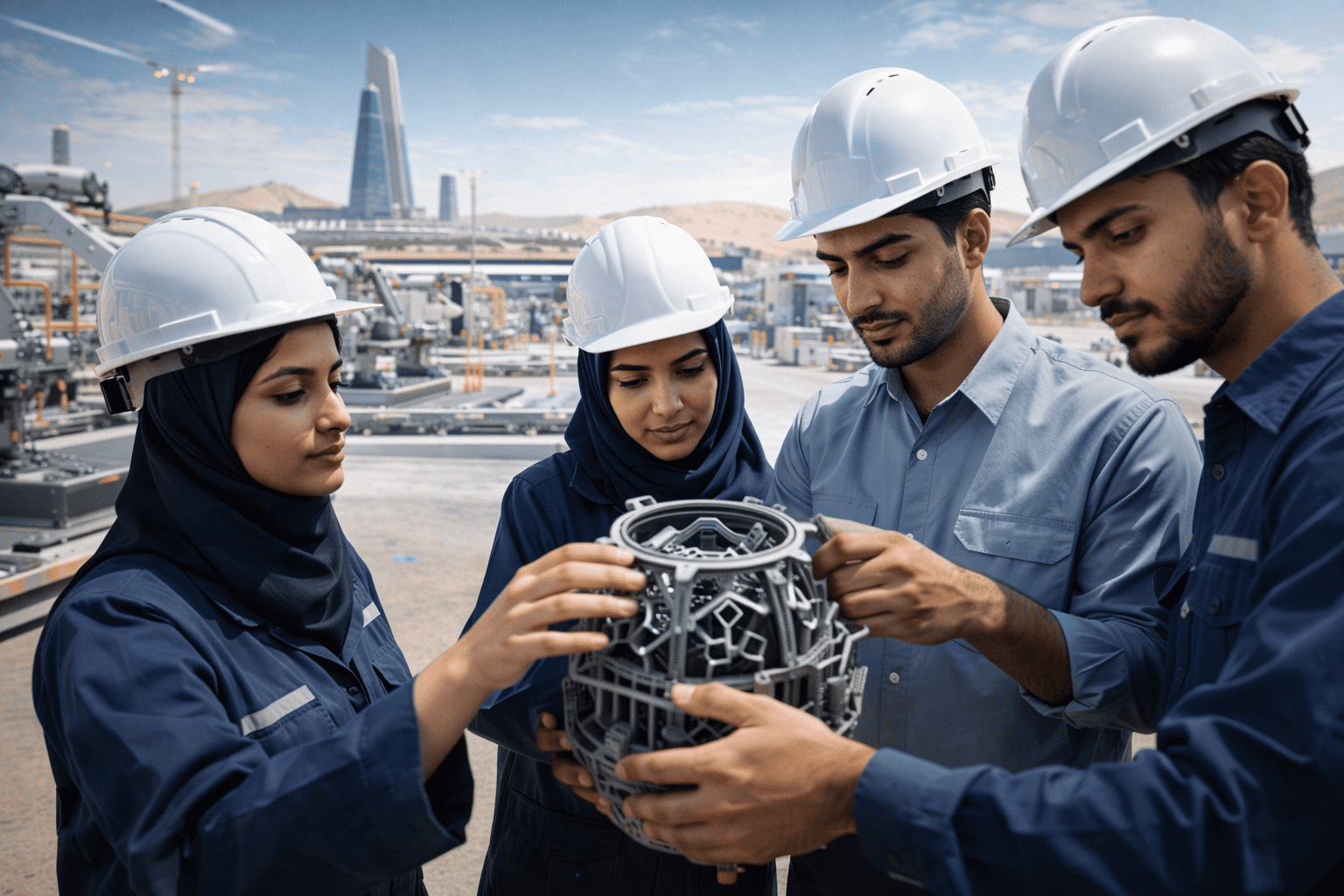
DHAHRAN, Saudi Arabia — In a transformative leap for the Middle East’s largest economy, Saudi Aramco officially announced on Thursday, February 12, 2026, that it has surpassed a critical 70% localization milestone within its supply chain. This achievement, a cornerstone of the In-Kingdom Total Value Add (iktva) program, is projected to catalyze a massive $280 billion boost to Saudi Arabia’s Gross Domestic Product (GDP) over the next decade. The announcement comes as Dhahran hosts a global summit of energy leaders, signaling the Kingdom’s rapid transition from a resource exporter to a global industrial and technological hub.
The iktva Catalyst: Building a Domestic Powerhouse
Since its inception, the iktva program has been poised to restructure the fundamental relationship between the state-owned energy giant and its global partners. By mandating that a significant portion of goods and services be sourced locally, Saudi Aramco has successfully fostered a competitive industrial base. According to early reports from the Aramco leadership summit, the program has already created over 200,000 high-skilled jobs for Saudi nationals, particularly in specialized engineering and advanced manufacturing sectors.
The 70% localization rate is not merely a statistical victory; it represents a shift in the global energy supply chain. Major international firms, including Halliburton, SLB, and Baker Hughes, have expanded their local manufacturing facilities in the Kingdom, effectively moving their regional headquarters to Riyadh or Dhahran to align with Vision 2030 objectives. This influx of capital and expertise is projected to make Saudi Arabia a primary exporter of energy technology to the broader MENA region.
Economic Diversification and the $280 Billion Horizon
Economists suggest that the long-term impact of this localization surge is poised to be profound. The projected $280 billion GDP contribution is based on the “multiplier effect” of local spending. When Aramco invests in a local manufacturer, that capital stays within the Saudi ecosystem, supporting local SMEs, financing vocational training, and fueling the growth of the non-oil private sector.
“We are witnessing the industrialization of the Saudi economy in real-time,” stated a senior analyst at the Gulf Research Center. “By securing 70% of the supply chain internally, the Kingdom is significantly reducing its exposure to global logistics disruptions while simultaneously building the human capital necessary for a post-oil future.”
Vision 2030: Beyond the Oil Well
This milestone is intrinsically linked to the broader Saudi Vision 2030, which seeks to diversify the economy and increase the private sector’s contribution to GDP to 65%. The localization of the energy supply chain serves as a blueprint for other sectors, including defense, mining, and renewable energy. The World Defense Show (WDS) 2026, currently underway in Riyadh, mirrors this strategy, with local defense spending also poised to hit record highs this year.
Furthermore, the “iktva” model is being adapted to support the Kingdom’s burgeoning green hydrogen and solar initiatives. By applying localization requirements to renewable projects, Saudi Arabia is poised to become a world leader in clean energy hardware production. Early results from the Sudair Solar project suggest that local components already account for nearly 45% of the infrastructure, a figure that is expected to rise as the Aramco-backed supply chain matures.
Global Firms Rush to Riyadh
The success of the localization program has triggered a “gold rush” among global technology and logistics providers. Based on recent investment filings, over 150 international companies have registered new manufacturing entities in the Kingdom in the first six weeks of 2026 alone. This surge is supported by the Saudi government’s “Regional Headquarters” program, which offers tax incentives and simplified regulatory frameworks for companies that establish their main Middle Eastern base in the Kingdom.
However, the rapid pace of localization has led to cautious language from some international trade bodies. While the benefits to the local economy are undeniable, some experts suggest that the “transition period” for smaller international suppliers to meet iktva requirements remains a challenge. To address this, Saudi Aramco has launched a series of “Supplier Development Funds” to help international SMEs partner with local Saudi firms, ensuring that the supply chain remains resilient and inclusive.
Human Capital: The Real 70%
Perhaps the most significant aspect of the 70% milestone is the qualitative shift in the Saudi workforce. The iktva program has necessitated the establishment of several specialized training centers across the Kingdom, focusing on everything from underwater welding to AI-driven reservoir management.
As of February 2026, the participation of Saudi women in technical and engineering roles within the Aramco supply chain has reached an all-time high of 28%. This demographic shift is projected to be a primary driver of innovation in the coming years. With a young, tech-savvy population and a secure industrial base, Saudi Arabia is poised to transition from being a consumer of global technology to a significant contributor to the global IP (Intellectual Property) landscape.
A Landmark Year for the Kingdom
The localization achievement coincides with Saudi Arabia’s rising profile as a global event host. From the Makkah Halal Forum to the G20 working groups, the Kingdom is increasingly becoming the center of gravity for international diplomacy and business.
As the Dhahran summit concludes, the message to the global market is clear: the Saudi energy sector is no longer just about the oil under the sand; it is about the factories, the talent, and the technology being built on top of it. The $280 billion GDP boost is within sight, and with it, a new chapter in the economic history of the Middle East.










Leave a comment