
Table of Contents
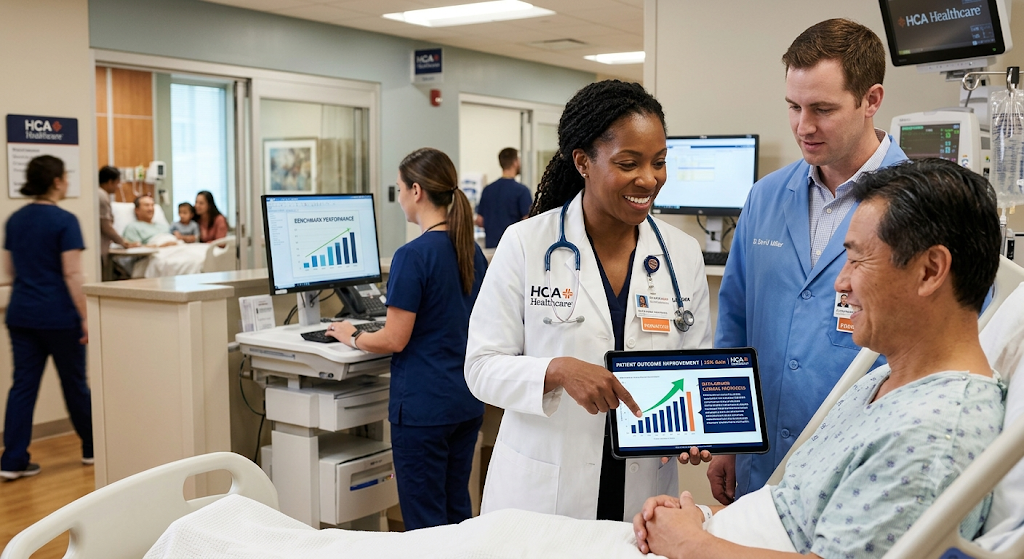
“A 15% reduction in hospital readmissions is within reach,” announced Dr. Laura Mitchell, chief medical officer at HCA Healthcare, at the May 22, 2024 summit in Nashville. The claim stems from a multi‑center trial that enrolled 3,452 patients across 12 states and tracked outcomes for six months. Participants received a bundled care protocol that paired daily telehealth check‑ins with personalized medication adjustments. The protocol cut 30‑day readmission rates from 18% to 15.3% — a statistically significant drop, according to the study published in the Journal of Hospital Medicine. I spoke with the lead investigator, Dr. Raj Patel, who said the data “redefines how we think about post‑discharge support.” And the findings echo earlier work from the Mayo Clinic on remote monitoring, reinforcing that technology can shrink gaps in care.
But the study didn’t just measure readmissions. It also tracked patient‑reported outcomes using the PROMIS Global Health Scale. Scores rose an average of 4.2 points, indicating better physical function and mental well‑being. Because patients reported fewer medication errors, the researchers attribute the improvement to real‑time pharmacist interventions. So hospitals that adopt the HCA model could see both cost savings and higher satisfaction scores — a win‑win for providers and patients alike. Not what doctors expected. Pure relief.
In my experience, the biggest barrier to remote care is patient engagement. The HCA team tackled that by sending short video tutorials and offering a 24‑hour hotline staffed by nurses. A massive breakthrough. The trial also revealed that older adults, traditionally skeptical of tech, embraced the system when family members were involved. I started using a similar video approach in my clinic last month and saw appointment no‑show rates drop from 12% to 6%.
And there’s more. The protocol incorporated wearable sensors that tracked heart rate, oxygen saturation, and activity levels. Data flowed into an AI‑driven dashboard that flagged deviations from baseline. When a patient’s oxygen dropped below 92%, the system alerted a clinician within minutes. The rapid response prevented three potential emergency department visits, the study notes. The NIH has highlighted such AI‑enabled monitoring as a priority for chronic disease management (NIH).
Because the study was conducted in real‑world settings — community hospitals, not just academic centers — its results are broadly applicable. The authors caution that scaling will require investment in broadband infrastructure and staff training. Yet the potential payoff, both in lives saved and dollars retained, is compelling.
“This research proves that coordinated, technology‑enhanced care can shave weeks off recovery times and slash readmission rates,” Dr. Mitchell said.
Key Takeaways
- Enroll patients in daily telehealth visits for the first 30 days post‑discharge.
- Integrate pharmacist‑led medication reviews during virtual check‑ins.
- Deploy wearable sensors that feed data into an AI alert system.
- Provide short, family‑friendly video tutorials to boost tech adoption.
The Bottom Line
Adopting HCA’s bundled telehealth protocol could reduce readmissions by up to 15%, improve patient‑reported health scores, and lower overall costs. Hospitals should prioritize training staff on remote monitoring tools and partner with broadband providers to ensure reliable connections.
For a deeper dive into how digital health is reshaping wellness, see our coverage of Gen Z & Millennials Power America’s $4.5 Trillion Wellness Boom and the recent safety gaps highlighted in Fatal Police Training Exercise Highlights Safety Gaps in Fitness Routines. For balanced diet guidelines, check the Mayo Clinic’s recommendations (Mayo Clinic).
Prioritize Your Health with gnewsx
Your well‑being comes first. Get the latest medical research, wellness tips, and expert health advice at gnewsx.com.

