


Retaliation Strikes: US Embassy in Riyadh Hit by Drones Amid Growing US-Israel Conflict with Iran
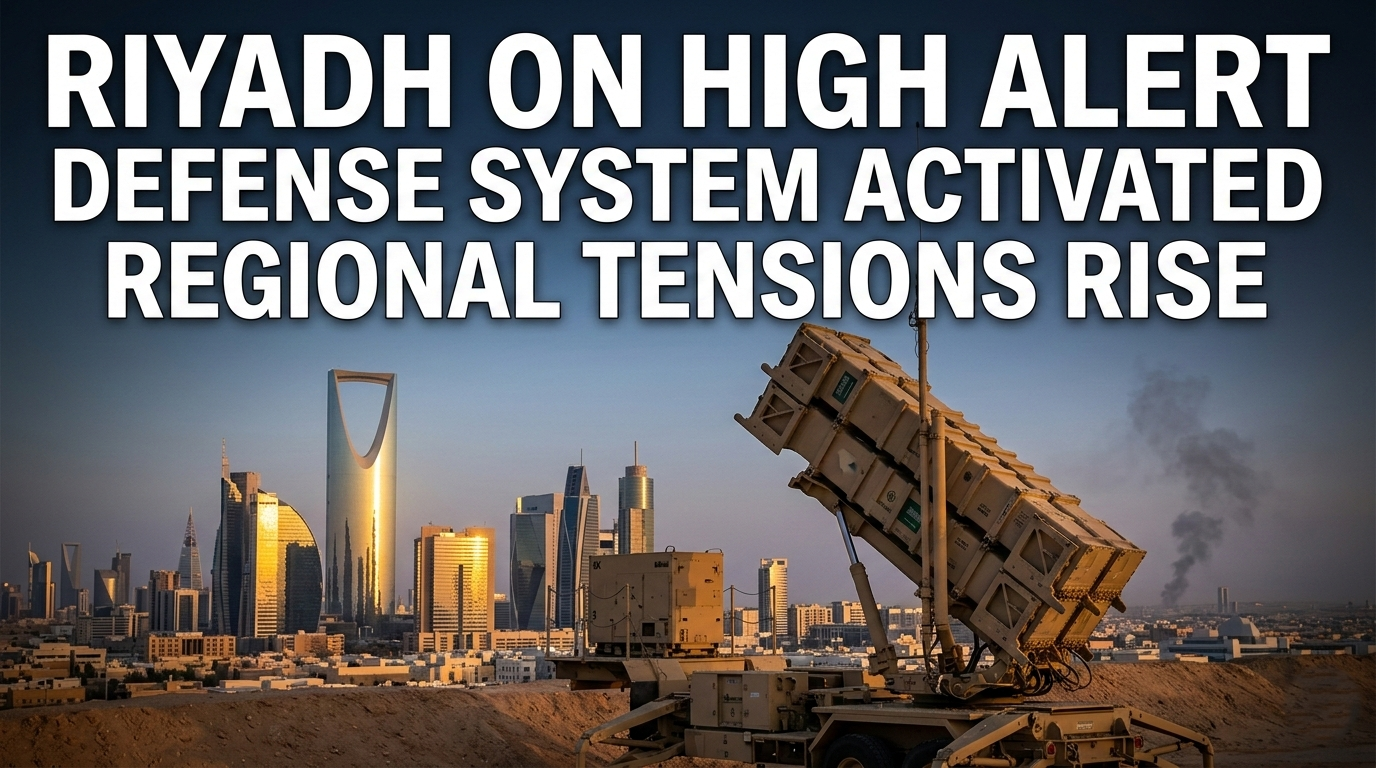
RIYADH, Saudi Arabia — The geopolitical stability of the Middle East reached a precarious tipping point on Tuesday, March 3, 2026, as the United States Embassy in Riyadh was targeted in a daring early-morning drone attack. The strike, which caused a “limited fire” and minor material damage, marks a significant escalation in the regional spillover following the massive US-Israeli “pre-emptive” air campaign against Iran’s nuclear and missile infrastructure. As sirens wailed in the Saudi capital’s diplomatic quarter, the incident served as a grim confirmation that the “shadow war” between Tehran and the US-Israel axis has officially entered a high-velocity, overt phase, drawing neighboring Gulf states into the crosshairs of a potential global conflict.
The Riyadh Strike: Intercepts and Impact
The attack reportedly occurred in the predawn hours of Tuesday. According to a spokesperson for the Saudi Ministry of Defense, air defense systems successfully intercepted and destroyed a total of eight drones targeting the cities of Riyadh and Al-Kharj. However, two drones managed to strike the perimeter of the US Embassy complex in the capital. While no casualties were reported, the symbolic and strategic gravity of the attack cannot be overstated.
“The US Embassy in Riyadh was targeted by two drones, according to preliminary assessments,” the ministry spokesperson stated. In response, the US State Department issued urgent “shelter in place” notifications for personnel in Riyadh, Jeddah, and Dhahran. This attack follows a pattern of retaliatory strikes by Iran and its regional proxies, which have already hit infrastructure in the UAE and ports in Oman over the last 72 hours.
The “Big Wave” Yet to Come
In Washington, President Donald Trump addressed the escalating situation during an interview with CNN, warning that the current military operations against Iran are only the beginning. “The big wave hasn’t even happened. The big one is coming soon,” Trump stated, suggesting that initial US strikes have already resulted in the loss of a significant number of Iranian leaders. He described Iran’s retaliatory attacks on Arab Gulf states as the “biggest surprise,” but remained firm that the current operation is the only way to deal with Tehran in the absence of a nuclear agreement.
Asked about the duration of the conflict, the President noted he had initially projected a four-week timeline and claimed the military is currently “a little ahead of schedule.” However, the US State Department has now urged all American citizens to leave the Middle East immediately, signaling that the administration is poised for a significant expansion of hostilities.
Global Diplomacy: The France-China Push
While the Gulf burns, a diplomatic counter-offensive is being mounted from Beijing and Paris. On Monday, Chinese Foreign Minister Wang Yi and French Foreign Minister Jean-Noël Barrot held an emergency consultation, stressing that the world “must not revert to the law of the jungle.” Barrot pointedly noted that the US-Israeli military action was launched without the authorization of the UN Security Council, urging a return to the “political and diplomatic track.”
China, which maintains deep energy and strategic ties with both Iran and the Gulf monarchies, is poised to play a central role in any potential ceasefire talks. However, with President Trump signaling that the “big wave” of action is still to come, the efficacy of traditional diplomacy appears increasingly limited.
A Regional Nightmare Realized
For the Gulf states—Saudi Arabia, the UAE, and Kuwait—this is the realization of a decades-old nightmare. Despite massive investments in air defense systems, the sheer volume of Iranian drone and missile barrages is testing the limits of regional security. In Lebanon, local reports indicate that at least 52 people were killed in a fresh wave of Israeli strikes targeting Hezbollah command centers.
As the US State Department orders non-emergency personnel to evacuate the region, the message is clear: the Middle East is bracing for a long and volatile winter. The “circuit breakers” that once prevented a direct US-Iran war have been tripped, and the region now finds itself navigating a debris field that stretches from the Mediterranean to the Red Sea.
















Leave a comment