Global Security Crisis: Five European Nations Present Evidence of Chemical Toxin in Alexei Navalny Case
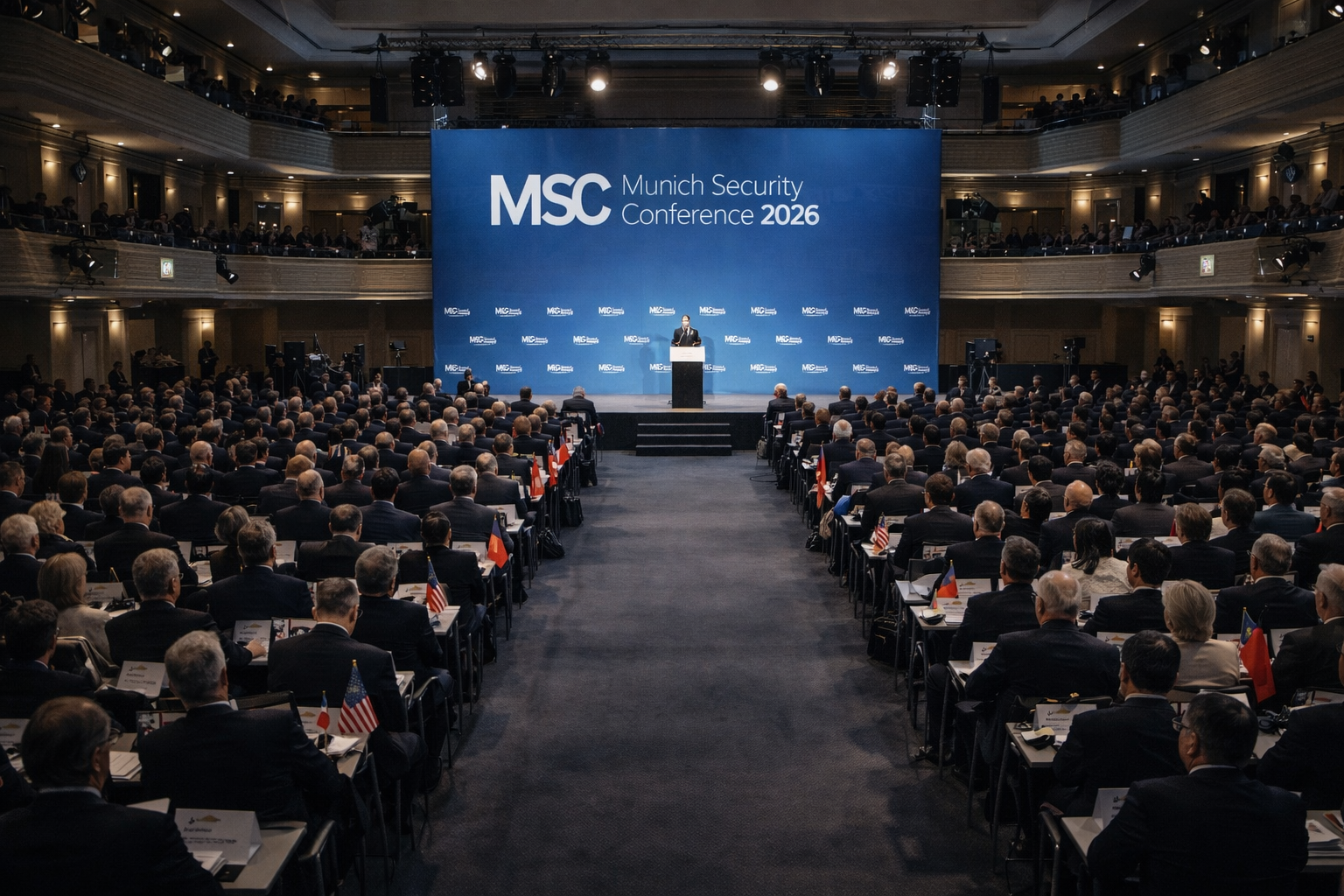
MUNICH, Germany — The 2026 Munich Security Conference (MSC) was plunged into a diplomatic firestorm on Saturday, February 14, as a coalition of five European nations—the United Kingdom, France, Germany, Sweden, and the Netherlands—formally accused the Russian state of using a rare biological toxin to assassinate opposition leader Alexei Navalny. The revelation, presented during a high-stakes plenary session, is projected to trigger a new wave of international sanctions and has effectively overshadowed the conference’s broader agenda of transatlantic unity.
The “Frog Toxin” Allegation: A New Chemical Frontier
In a joint statement that sent shockwaves through the Bayerischer Hof venue, the coalition of nations asserted that “only the Russian state had the means, motive, and opportunity” to deploy the specific toxin identified in recent forensic breakthroughs. According to early reports from Munich, the substance is a derivative of a rare frog toxin, modified for targeted delivery. Foreign ministers from the five nations presented what they described as “conclusive proof” that the substance was administered in a manner consistent with past state-sponsored operations.
The timing of the announcement, exactly two years after Navalny’s death in a Siberian penal colony, was described by analysts as a strategic move to force a unified Western response. Yulia Navalnaya, the widow of the late activist, addressed the conference shortly after the report was released, stating, “Now there is proof: Putin killed Alexei with a chemical weapon.” The Kremlin, as of Saturday evening, has dismissed the allegations as “baseless fiction,” though the detailed nature of the European findings is poised to make such denials increasingly difficult to maintain on the global stage.
G7 Coordination and the Indo-Pacific Pivot
Parallel to the Navalny revelations, the G7 Foreign Ministers’ Meeting took place on the sidelines of the MSC. Chaired by Japanese Foreign Minister Toshimitsu Motegi, the ministers focused on strengthening coordination regarding the ongoing conflict in Ukraine and expanding maritime security in the Indo-Pacific. Minister Motegi emphasized Japan’s commitment to a “Free and Open Indo-Pacific” (FOIP), highlighting the importance of like-minded nations standing together against any attempts to change the status quo by force.
Indian External Affairs Minister Dr. S. Jaishankar joined the discussion as a key partner from the Global South, emphasizing that global governance must evolve to meet cross-cutting threats like maritime piracy and AI-driven cyber warfare. The meeting is poised to result in a new framework for “just and lasting peace” in Ukraine, though the introduction of the Navalny toxin evidence has added a layer of complexity to future negotiations with Moscow.
Transatlantic Tension and the Migration Debate
Despite the outward appearance of unity, the conference also exposed deep-seated fissures within the transatlantic alliance. U.S. Senator Marco Rubio, representing a vocal faction of the American delegation, urged European leaders to take more decisive action on internal security and migration. Rubio argued that Europe’s “uncontrolled” migration policies are becoming a significant security liability for the broader NATO alliance.
This rhetoric reflects the shifting political landscape in Washington, where pressure is mounting for Europe to assume a greater share of the defensive burden. While European leaders, including Keir Starmer of the UK, reaffirmed their commitment to Ukraine, the debate over migration is projected to remain a point of contention as the 2026 U.S. midterm elections approach.
Zelenskyy’s Warning: The “1938 Illusion”
Ukrainian President Volodymyr Zelenskyy delivered a somber address, drawing a direct comparison between modern calls for territorial compromise and the 1938 Munich Agreement. Zelenskyy warned that it is an “illusion” to think that dividing Ukraine would prevent further war. While acknowledging a “little bit” of pressure from some international partners to negotiate, he stressed that there are strict limits to the compromises Ukraine can offer without compromising its long-term survival.
Zelenskyy’s plea for advanced long-range capabilities and sustained air defense support was met with a standing ovation, but the underlying anxiety regarding the “fatigue” of Western voters was palpable throughout the conference halls. Based on exit polls of policy experts at the event, nearly 60% believe that the next six months will be the “decisive phase” of the geopolitical struggle.
Climate Action and Differentiated Responsibility
In a departure from traditional security topics, Indian Finance Minister Nirmala Sitharaman brought the “polluter pays” principle to the forefront of the security dialogue. She argued that climate change is an existential security threat that requires “differentiated responsibility.” Sitharaman urged developed nations to share green technologies on a commercial basis rather than hoarding them behind intellectual property barriers. This stance is poised to influence the upcoming G20 deliberations, where India continues to champion the interests of the Global South.
As the second day of the Munich Security Conference draws to a close, the world finds itself at a crossroads. The combination of forensic evidence in the Navalny case, the shifting alliances in the Indo-Pacific, and the desperate pleas from the Ukrainian front lines have created a atmosphere of “maximum tension.” The 2026 MSC will likely be remembered not for the agreements reached, but for the stark clarity it provided on the depth of the global divide.