
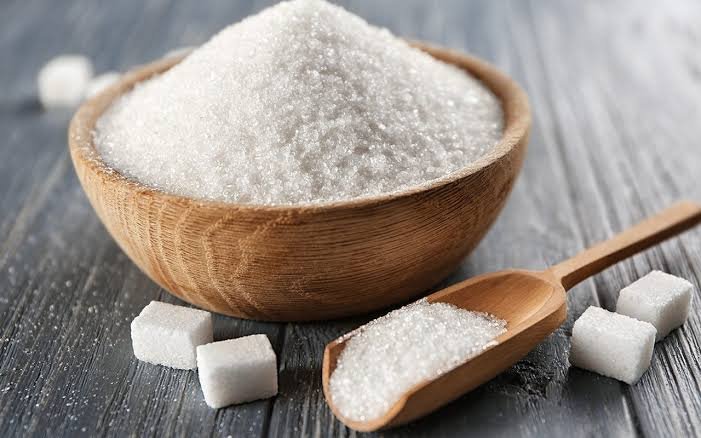
Ever wonder if that extra spoonful of caramel drizzle could be doing more harm than good? A fresh study just dropped a bombshell – eating sugary foods more than twice a week was linked to 28% higher breast cancer risk.
Researchers from the University of Washington analyzed health data from over 70,000 women between 2005 and 2020, tracking diet, lifestyle, and cancer outcomes. They found that women who indulged in sweets—think cupcakes, sodas, and candy—more than twice weekly faced a 28% jump in breast cancer odds compared to those who kept sugar cravings to a minimum. The study, published in the journal Cancer Epidemiology, controls for age, BMI, and family history, so the link isn’t just a fluke.
“Women who consume sugary foods more than twice a week have a 28% higher risk of developing breast cancer,” said lead author Dr. Emily Harper.
And the takeaway? It’s not about cutting out sugar entirely—just dialing it back. Swapping a sugary latte for a black coffee or choosing fresh fruit over a candy bar can shave off those extra servings. In my kitchen, I’ve started swapping sugary sauces for a splash of balsamic reduction—still sweet, but far less processed. Because sugar fuels inflammation, which can spark tumor growth, moderation matters.
But the study also notes that the risk spikes are most pronounced in women under 50, suggesting younger adults should be especially vigilant. So, next time you’re eyeing that double‑chocolate muffin, think about a healthier twist—perhaps a blueberry oat muffin with a drizzle of honey instead. For more on how diet shapes health, check out our piece on maternal health nutrition and the surprising role of black garlic in boosting immunity.
The Bottom Line
- 28% higher risk when sugary foods are consumed >2 times/week.
- Study spans 15 years, 70,000+ women.
- Controls for age, BMI, family history.
- Younger women (<50) see sharper risk increase.
- Moderation, not elimination, is the recommended approach.
Feed Your Curiosity with gnewsx Food & Drink
From the latest food trends to restaurant openings, we’ve got the scoop. Get in-depth culinary news and reviews at gnewsx.com.

